Inspiring Stories of Sacrifice and Perseverance
Throughout history, many outstanding personalities have made significant sacrifices to achieve their goals and leave a lasting mark on the world. These sacrifices not only demonstrate their dedication and commitment, but also inspire others to persevere in their own paths. Here are a few notable examples:
Mahatma Gandhi
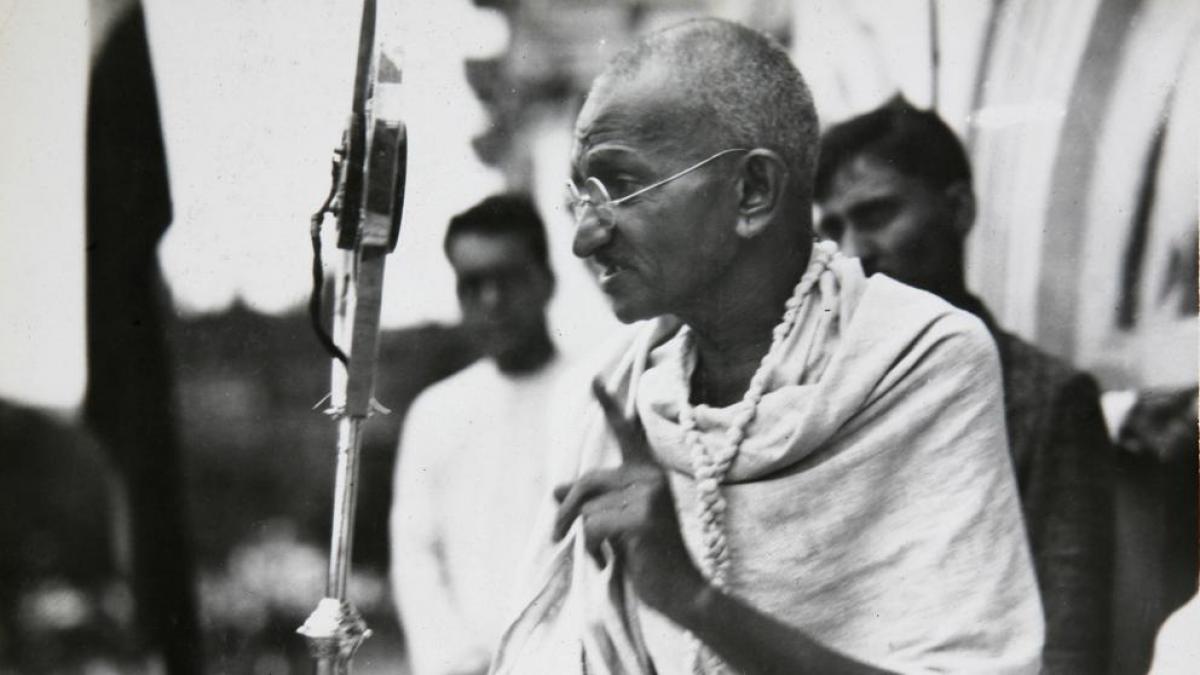
Mahatma Gandhi, leader of India’s independence movement, gave up a life of comfort and luxury to fight for his country’s freedom. He abandoned his career as a lawyer and adopted a life of extreme simplicity, living in an ashram and wearing handmade clothes. Gandhi also undertook numerous prolonged fasts as a form of nonviolent protest, putting his health and life at risk.
Marie Curie
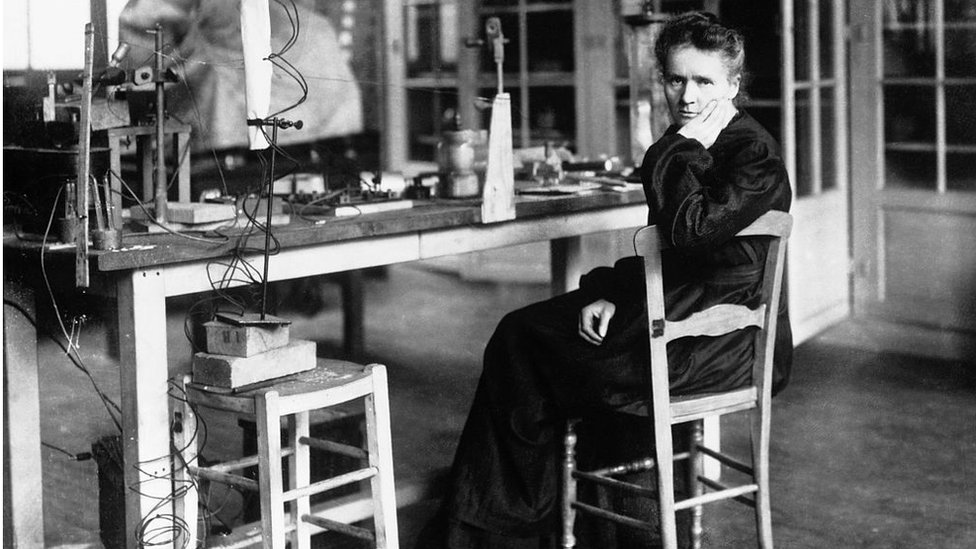
Marie Curie, the renowned scientist, dedicated her life to the research of radium and polonium, elements that she herself discovered. Her work in primitive conditions and without adequate radiation protection took a significant toll on her health, leading her to develop aplastic anemia, a disease that eventually caused her death. Despite these risks, her dedication to science never wavered, and her legacy remains fundamental in physics and chemistry.
Nelson Mandela
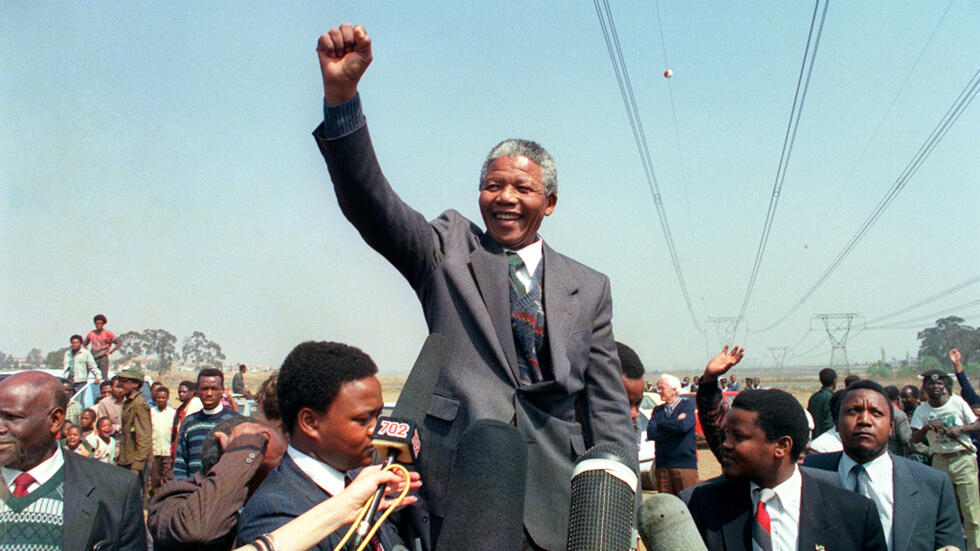
Nelson Mandela, South Africa’s anti-apartheid leader, spent 27 years in prison for his fight against the racist regime. During his imprisonment, Mandela suffered extremely harsh conditions, but he never gave up his fight for equality and justice. His personal sacrifice was crucial to the eventual fall of apartheid and South Africa’s transition to a multiracial democracy.
Steve Jobs

Steve Jobs, co-founder of Apple Inc. gave up stability and financial security on multiple occasions to follow his innovative vision. In 1985, he was fired from the company he founded. Instead of giving up, Jobs founded NeXT and acquired Pixar, both companies that eventually played crucial roles in his triumphant return to Apple. His relentless focus on innovation and quality, often at the expense of his health and personal relationships, transformed the technology industry.
Malala Yousafzai
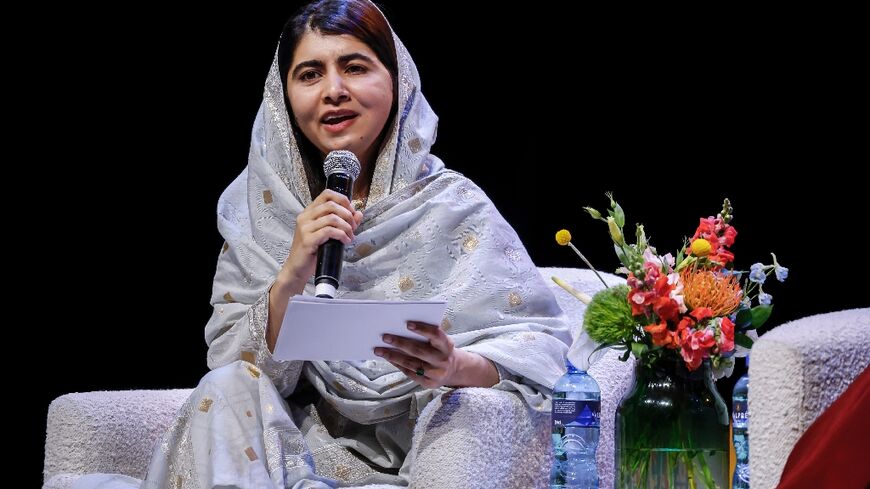
Malala Yousafzai, the Pakistani girls’ education activist, faced death threats and an attempt on her life by the Taliban. At the age of 15, she was shot in the head for her activism. Despite this brutal attack, Malala continued her fight for education and became the youngest person ever to receive the Nobel Peace Prize. Her courage and sacrifice have inspired millions around the world.
Elon Musk

Elon Musk, the entrepreneur behind Tesla and SpaceX, has repeatedly risked his personal fortune and well-being to pursue his ambitious projects. In 2008, both Tesla and SpaceX were on the verge of bankruptcy, and Musk invested his own money and even what he didn’t have to keep them afloat. He worked tirelessly, often sleeping in the factory, to ensure the success of his companies. His sacrifice and vision have revolutionized the automotive and aerospace industries.
Rosa Parks
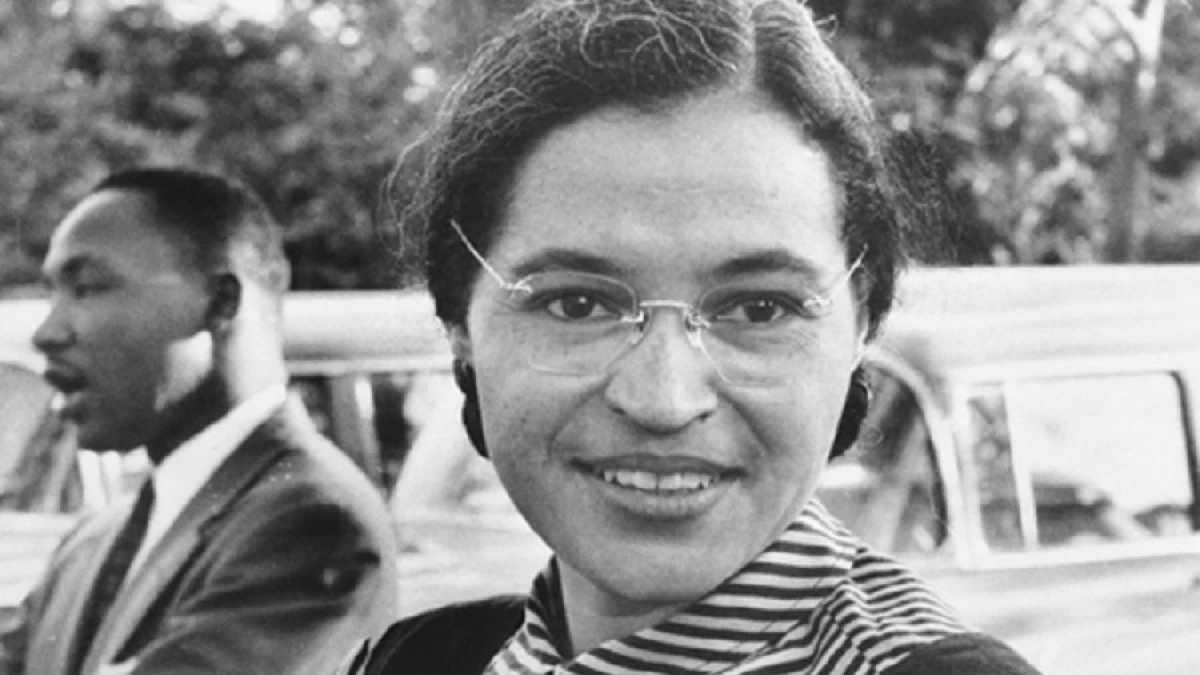
Rosa Parks, a civil rights activist, refused to give up her seat on a segregated bus in Montgomery, Alabama, in 1955. This act of civil disobedience led to her arrest and numerous threats and hardships. However, her sacrifice and courage sparked the Civil Rights Movement in the United States, leading to significant legislative changes in the fight against racial segregation.
Alan Turing
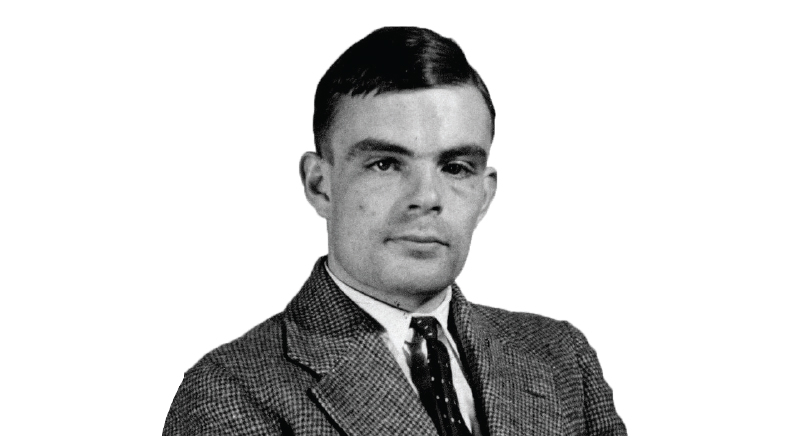
Alan Turing, considered one of the fathers of computer science and artificial intelligence, made fundamental contributions by cracking the Enigma code during World War II, which helped the Allies win the war. However, despite his achievements, Turing was persecuted for his sexual orientation at a time when homosexuality was illegal in the United Kingdom. He was convicted and subjected to chemical castration, which led to his tragic death at the age of 41. His personal and professional sacrifice left a lasting legacy in computer science and human rights.
Grace Hopper

Grace Hopper, one of the first computer programmers and creator of the first compiler, gave up a promising academic career to join the Naval Reserve during World War II. Her work in computer programming and the development of the COBOL language revolutionized computing. Hopper faced numerous challenges in a male-dominated field, but her perseverance and dedication paved the way for future generations of women in technology.
Linus Torvalds

Linus Torvalds, the creator of the Linux operating system, devoted countless hours to developing an open source operating system that could be used and improved by anyone. Despite criticism and lack of financial support in the early years, Torvalds continued to work tirelessly on his project. His personal and professional sacrifice has led Linux to become one of the most important operating systems in the world, used on servers, mobile devices and supercomputers.
Ada Lovelace
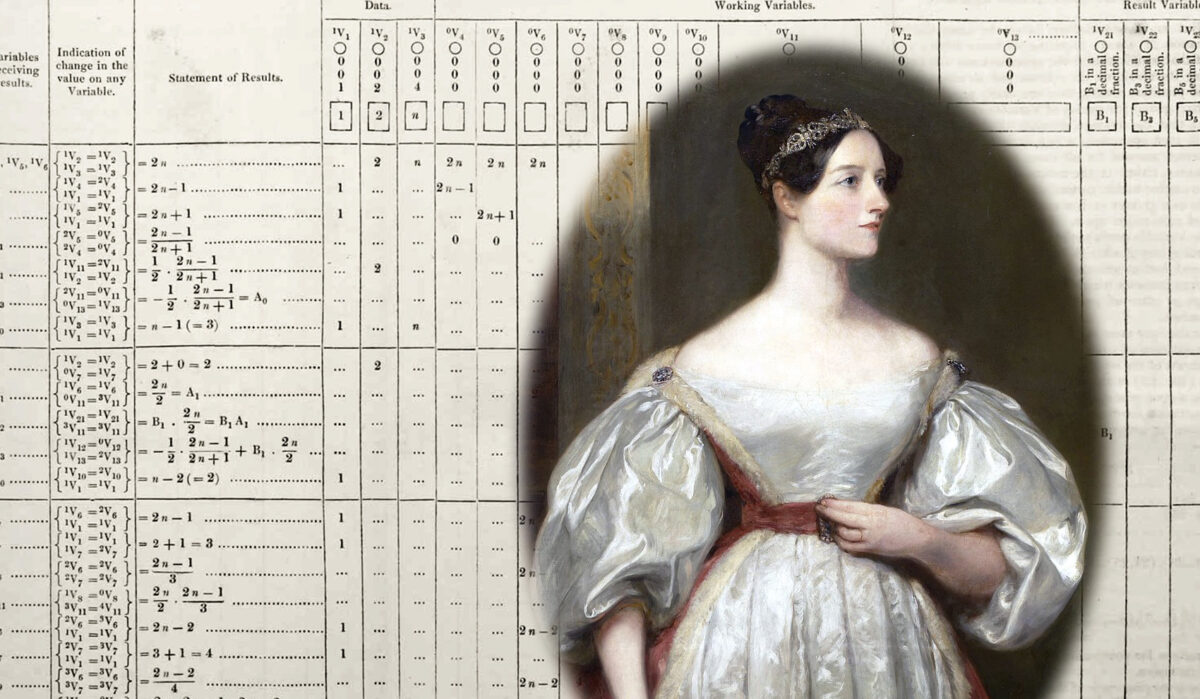
Ada Lovelace, considered the first programmer in history, worked at a time when computer science did not yet exist as a recognized discipline. She collaborated with Charles Babbage on the Analytical Engine and wrote the first algorithm intended to be processed by a machine. Despite facing skepticism and lack of recognition in his time, Lovelace persisted in his work, laying the foundation for modern programming. His sacrifice and vision were crucial to the development of computer science.
Dennis Ritchie
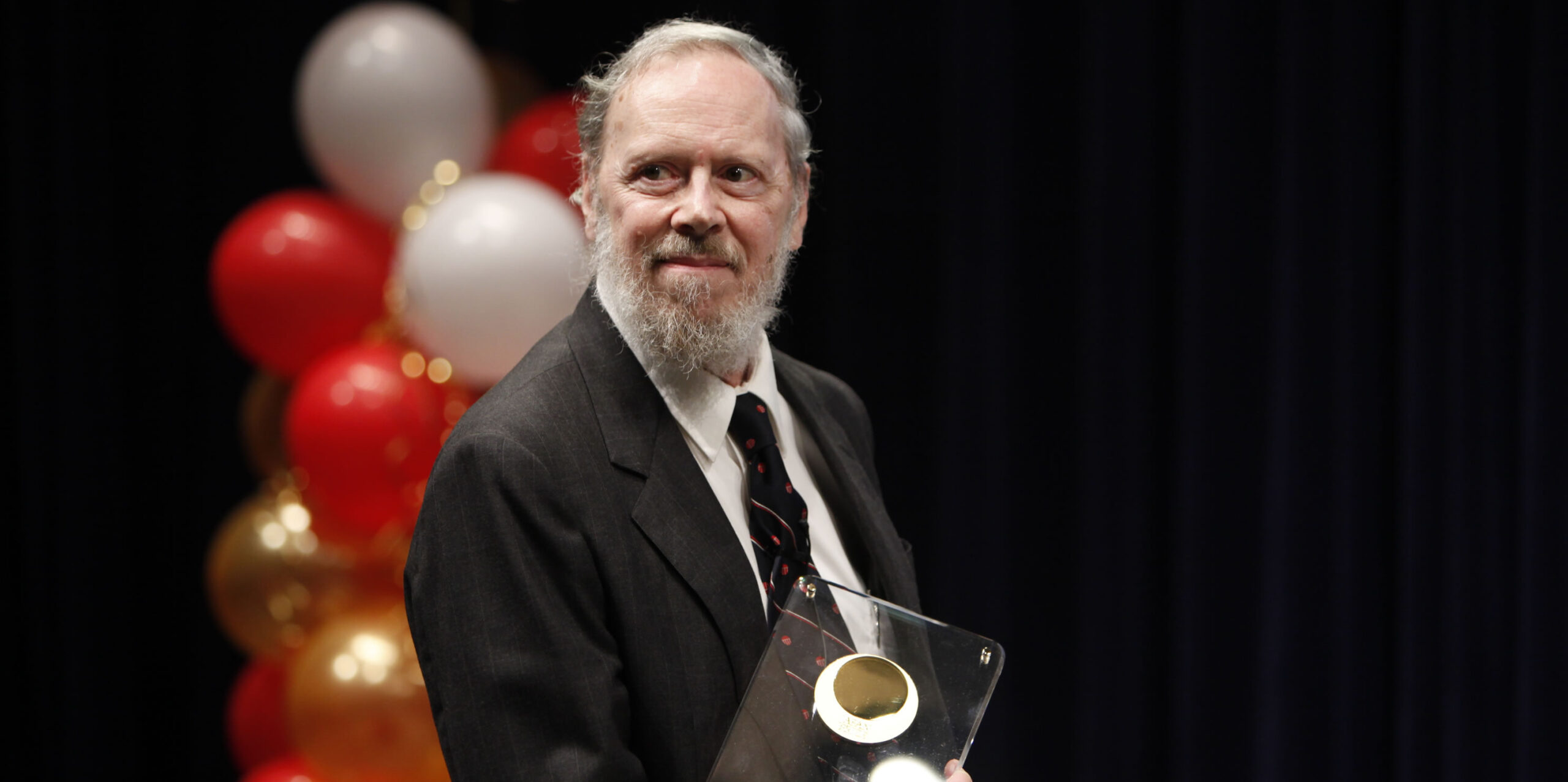
Dennis Ritchie, co-creator of the C programming language and the Unix operating system, made seminal contributions that have influenced virtually all modern operating systems. Despite his monumental impact on computing, Ritchie worked largely in the background and did not receive the same level of public recognition as other contemporaries. His dedication and personal sacrifice enabled the development of technologies that are the backbone of modern computing
Margaret Hamilton
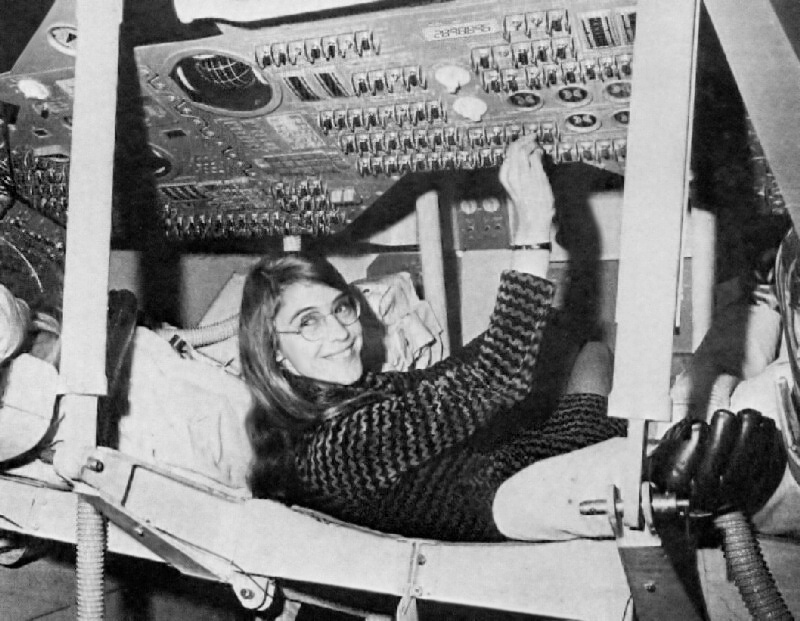
Margaret Hamilton, head of NASA’s Project Apollo software team, played a crucial role in the success of the lunar landing. Hamilton worked long hours, often bringing her young daughter to work in order to fulfill her responsibilities. Her personal and professional sacrifice ensured the accuracy and reliability of the software that allowed the astronauts to land on the moon and return safely. Her pioneering work in software engineering set standards that are still in use today.
Tim Berners-Lee

The last of these examples and perhaps the one most admired by the FySelf team is Tim Berners-Lee. Known as the inventor of the World Wide Web, Berners-Lee made an altruistic decision that forever changed the course of technological history. Instead of patenting his invention, he chose to keep the Web an open platform accessible to all. This choice not only facilitated the rapid expansion and adoption of the web, but also transformed the way the world accesses and shares information.
Berners-Lee’s sacrifice was monumental. By forgoing potential financial gain, he ensured that the web remained free and open, benefiting humanity as a whole. His vision of a network accessible to all has enabled an unprecedented flow of information, connecting people around the world and democratizing access to knowledge.
Legacy
Today, Tim Berners-Lee continues to dedicate every day of his life to advocating a new vision for the web. His commitment is to an inclusive web, one that is not at the service of the few, but one that allows people to take back control of their identity and data on the World Wide Web. In a world where privacy and data ownership are crucial issues, Berners-Lee advocates for a digital environment where every individual can manage their most valuable asset: their identity.
His tireless work and dedication to these principles not only continue to inspire generations of technologists and Web users, but also reinforce FySelf’s mission to empower people through control of their data. Tim Berners-Lee is, without question, a beacon of integrity and vision in the digital world, and his legacy continues to be a source of inspiration to us all.
Related posts