Google fuels the AI bubble
Google Fuels the AI Bubble: Massive Investment in Corporate AI Avatars
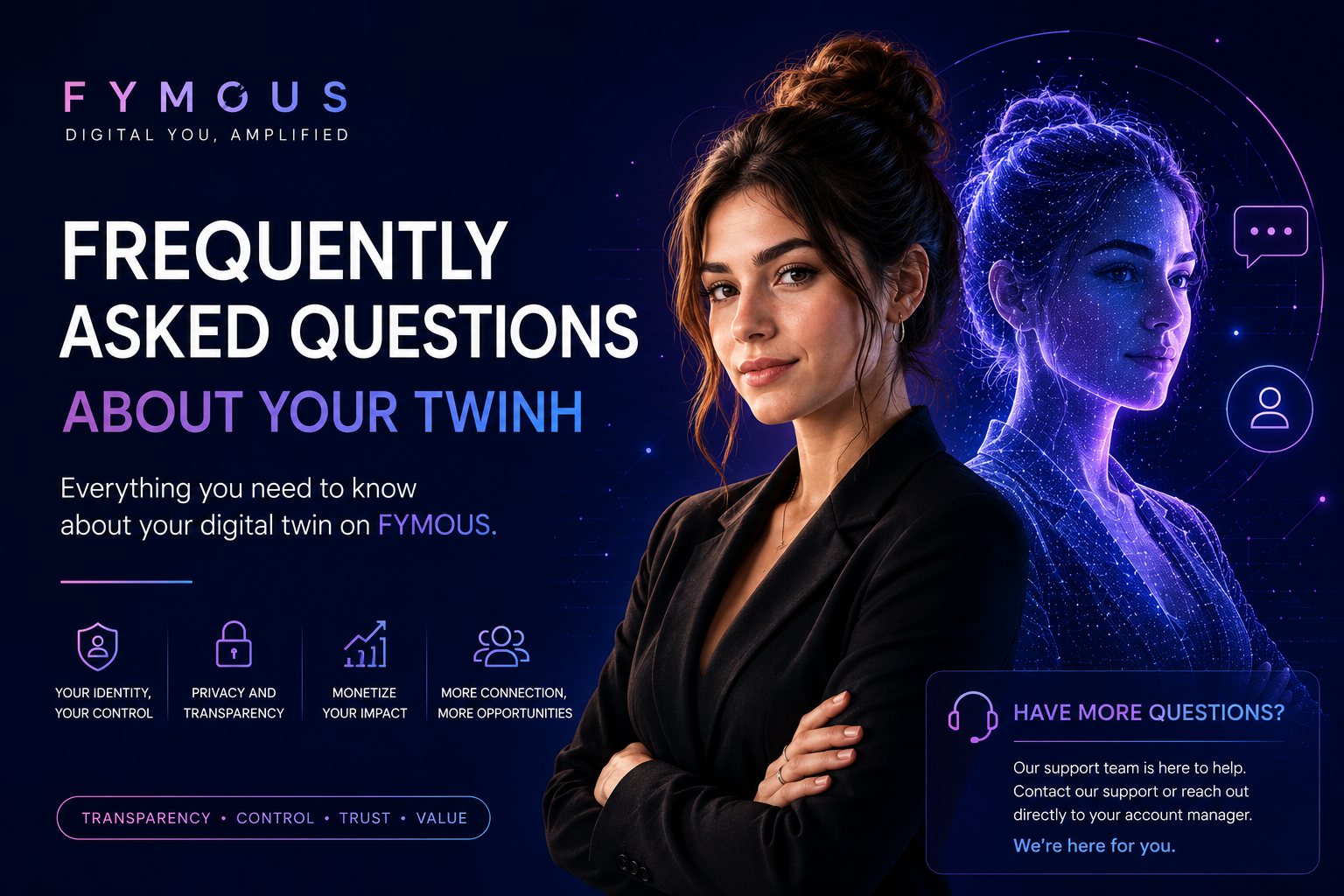
In a move that confirms how Google fuels the AI bubble, the company has injected $200 million into Synthesia, a British startup specializing in AI-generated videos. This investment not only boosts Synthesia’s valuation to $4 billion but also highlights the disruptive potential of AI avatars in the corporate world. While criticism of the “AI hype” continues to grow, this bet reveals real opportunities to transform business productivity.
How Google Fuels the AI Bubble with Startups Like Synthesia
Google doesn’t invest blindly. Synthesia, founded in 2017, first captured global attention in 2019 with a viral video of David Beckham “speaking” in nine languages. This simple demo showcased their core offering: creating lifelike AI avatars that turn text scripts into realistic videos without the need for human actors.
The platform targets B2B solutions and has already attracted 90 of the largest companies in the United States. Imagine a multinational like Unilever using AI avatars to train thousands of employees on safety protocols, without the massive costs of traditional video production.
This capital injection accelerates the development of more conversational avatars capable of real-time interaction. In this way, Google not only fuels the AI bubble but positions its tools as essential allies in the digital era.
Impact on Valuation and the AI Ecosystem
Synthesia’s valuation jumped from $1 billion in 2023 to $4 billion today—a multiplier that reflects market euphoria. Investors see AI avatars as a bridge between static content and dynamic interaction, much like ChatGPT revolutionized text-based queries.
Benefits of AI Avatars in Corporate Transformation
Beyond the hype, AI avatars solve concrete problems. In corporate environments, traditional training consumes enormous resources: expensive shoots, endless editing, and low retention rates because the material quickly feels outdated.
Synthesia changes this by generating personalized videos in minutes. For example, a bank could create an avatar to explain anti-fraud regulations in an employee’s native language, tailored to their specific role.
This reduces operational errors and speeds up onboarding. Gartner studies predict that by 2025, 70% of companies will use generative AI for training, saving up to 40% on content creation costs.
Real-World Cases: From Theory to Implementation
Companies like Accenture already integrate avatars for sales simulations. A manager writes a script about closing techniques, and the system produces an interactive video where the avatar responds to common objections.
The result: better-prepared teams and measurable ROI in productivity. It’s not magic—it’s applied AI that turns scattered knowledge into actionable assets.
AI Bubble or Strategic Investment? Google’s Role
Criticism is inevitable: is this Google move just more fuel for an inflated bubble? Historically, cycles like the dot-com boom collapsed under empty promises, but generative AI shows tangible metrics.
Synthesia reports 300% annual growth, with clients seeing returns in months. Google, with its cloud and data ecosystem, amplifies this by integrating avatars into Google Workspace, enabling seamless hybrid workflows.
Experts like Andrew Ng argue that the real bubble comes from unrealistic expectations, not practical applications. Here, Google fuels the AI bubble in a calculated way, betting on efficiency over spectacle.
Risks and Ethical Considerations in Generative Avatars
Challenges remain. Deepfakes raise concerns: how do we ensure avatars aren’t used for misinformation? Synthesia implements digital watermarks and audits, aligning with regulations like the EU AI Act.
Google mitigates this with built-in ethics, prioritizing transparency. For business leaders, balancing innovation with responsibility will define long-term success.
The Future of Conversational AI in Daily Work
Looking ahead, avatars like those from Synthesia could evolve into virtual teammates. Imagine an avatar that doesn’t just train but guides meetings or answers questions live, integrating with tools like Google Meet.
This vision isn’t far off: prototypes already enable bidirectional interactions, with avatars adapting responses based on user feedback. For SMEs, this democratizes access to premium training, leveling the playing field against giants.
In summary, while Google fuels the AI bubble, it does so with strategic vision. The investment in Synthesia underscores how technology can unlock real value, turning challenges into opportunities.
In conclusion, this multimillion-dollar bet isn’t just about numbers; it’s a catalyst for reimagining corporate knowledge. If you lead a team or a company, consider how AI avatars could optimize your workflow. Are you ready to integrate this tool? Explore Synthesia today and transform your internal training. Share your thoughts in the comments: do you think it’s a bubble or a revolution?
Related posts