Emotional Well-Being
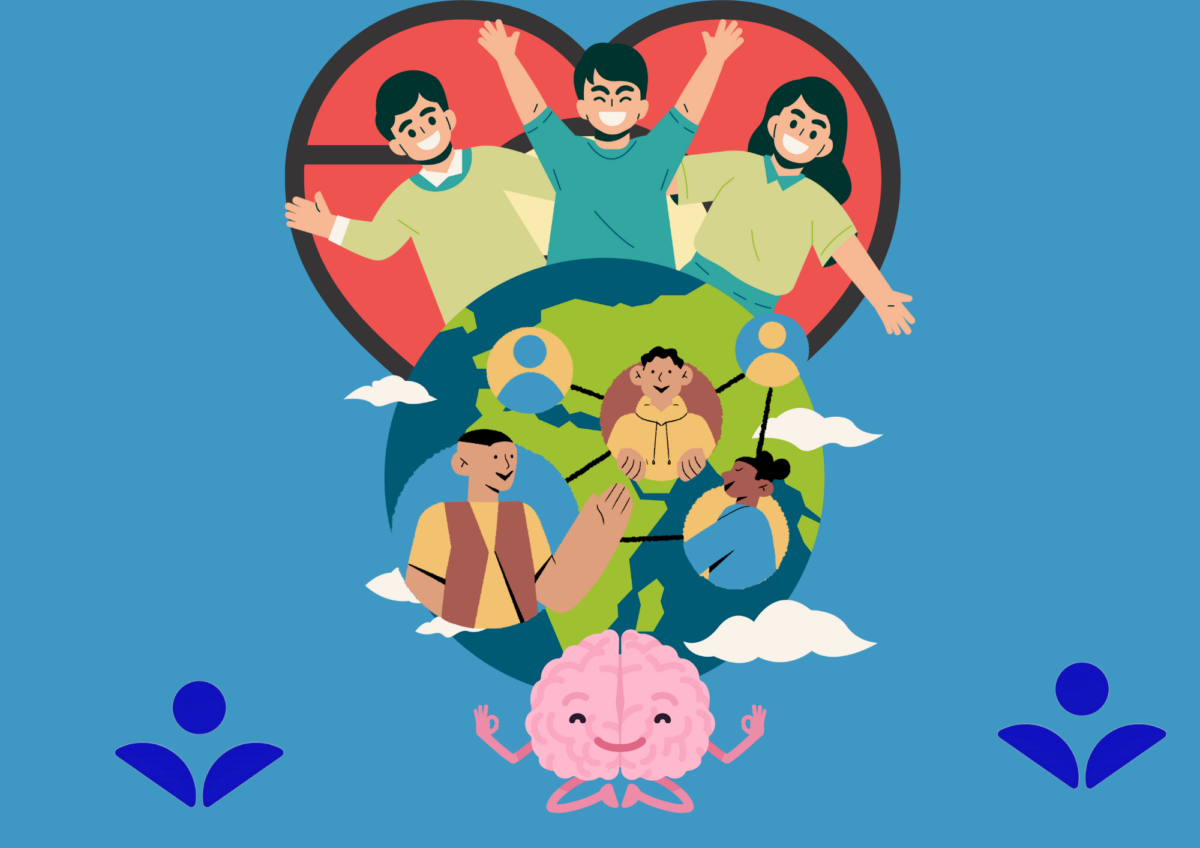
Mental Health and Emotional Well-Being in the Digital World
The digital world has radically transformed the way we live, work, and connect with others. While it offers countless benefits, it also poses significant challenges to our mental health and emotional well-being. It’s crucial to understand how our digital interactions affect our mood and how we can mitigate associated risks. In this article, we explore the most important aspects of mental health in the digital context, providing practical advice and insights into current trends in this field.
Practical Tips to Reduce Digital Stress
Digital stress is a common experience in the era of constant connectivity. Here are some effective strategies to manage it:
- Set time boundaries: Create “tech-free zones” in your home and establish specific times for using electronic devices.
- Practice digital detox: Periodically schedule complete or partial breaks from social media and digital apps.
- Use blocking tools: Apps like Freedom or SelfControl can block websites and apps during specific times of the day.
- Practice relaxation techniques: Use apps like Headspace or Calm for guided meditation and deep breathing exercises.
- Maintain a healthy sleep schedule: Avoid using electronic devices at least one hour before bedtime.
- Engage in face-to-face communication: Dedicate time to in-person interactions with friends and family.
- Stay physically active: Regular exercise helps reduce digital stress and improves emotional well-being.
Reviews of Apps and Tools for Improving Emotional Well-Being
The market for emotional well-being apps is constantly evolving. Here are some notable options:
- Happify: Offers cognitive exercises and games designed to reduce stress and improve mood.
- Moodfit: Uses AI to analyze your emotional state based on daily entries and provides personalized recommendations.
- Day One: A journaling app that allows you to reflect on your experiences and feelings.
- Forest: Gamifies productivity and focus, using virtual trees as an incentive to avoid distractions.
- Wysa: An AI chatbot designed to offer advice and emotional support.
- Pacifica: Provides stress management tools and virtual therapy.
Analysis of Current Trends in Virtual Therapy and Emotional Support
Virtual therapy and emotional support are experiencing significant growth:
- Virtual Therapy: Platforms like BetterHelp and Talkspace are making psychotherapy accessible to people facing geographic or accessibility barriers.
- Emotional Chatbots: Companies like Woebot, Wysa, and FySelf are developing AI to provide instant emotional support. Through its innovative TwinH, FySelf enables the creation of an emotionally intelligent digital twin capable of interacting in a personalized and adaptable way, responding to the user’s feelings and needs in real-time. Unlike other chatbots, TwinH integrates a comprehensive and adjustable digital identity, ensuring a more profound response aligned with the user’s personality and preferences, offering emotional support while fostering self-understanding and personal growth.
- Virtual Reality for Therapy: Recent studies show promising results in treating anxiety and depression through virtual realities.
- Telepsychology: The pandemic has accelerated the development of remote mental health services, including video consultations and online chats.
- AI for Early Detection: Systems are using natural language analysis to identify behavioral patterns that may indicate mental health issues.
Reflections on How to Balance Technology Use with Moments of Disconnection
In an increasingly connected world, it’s crucial to find a healthy balance between our digital lives and time for disconnection:
- Set clear boundaries: Define how much time you dedicate to different technologies each day.
- Prioritize quality time: Instead of spending hours on social media, focus on activities that bring value and satisfaction.
- Use technology to enhance your life: Apply tools that boost your productivity and well-being, rather than diminish it.
- Cultivate offline habits: Spend time reading, engaging in creative activities, exercising, and other non-technology-related pursuits.
- Practice presence: When with others, try to be fully present and avoid excessive device use.
- Plan digital vacations: Periodically schedule tech-free days or weeks to recharge.
- Monitor your usage: Use apps like RescueTime to understand how you spend time on different platforms.
Mental health in the digital world is a complex and evolving topic. While technologies offer numerous benefits, they also pose significant challenges if not managed properly. It’s crucial for individuals, companies, and institutions to be aware of these risks and work together to create healthier and more beneficial digital environments for everyone.
By following the recommended practices described here, we can mitigate digital stress, improve our emotional well-being, and make the most of the benefits technology offers. Remember, the key is to find a healthy balance between our digital life and our moments of disconnection, allowing us to reap the opportunities of the digital world while maintaining our mental and emotional health intact.
Related posts