AI and the Digital Twin (TwinH): A New Era for Human Health
Artificial intelligence (AI) is rapidly transforming the way we live, and healthcare is no exception. One of the most promising applications of AI in the healthcare field is the creation of “digital twins.” These AI-based digital twins are accurate virtual representations of an individual that can help predict and optimize health on multiple levels.
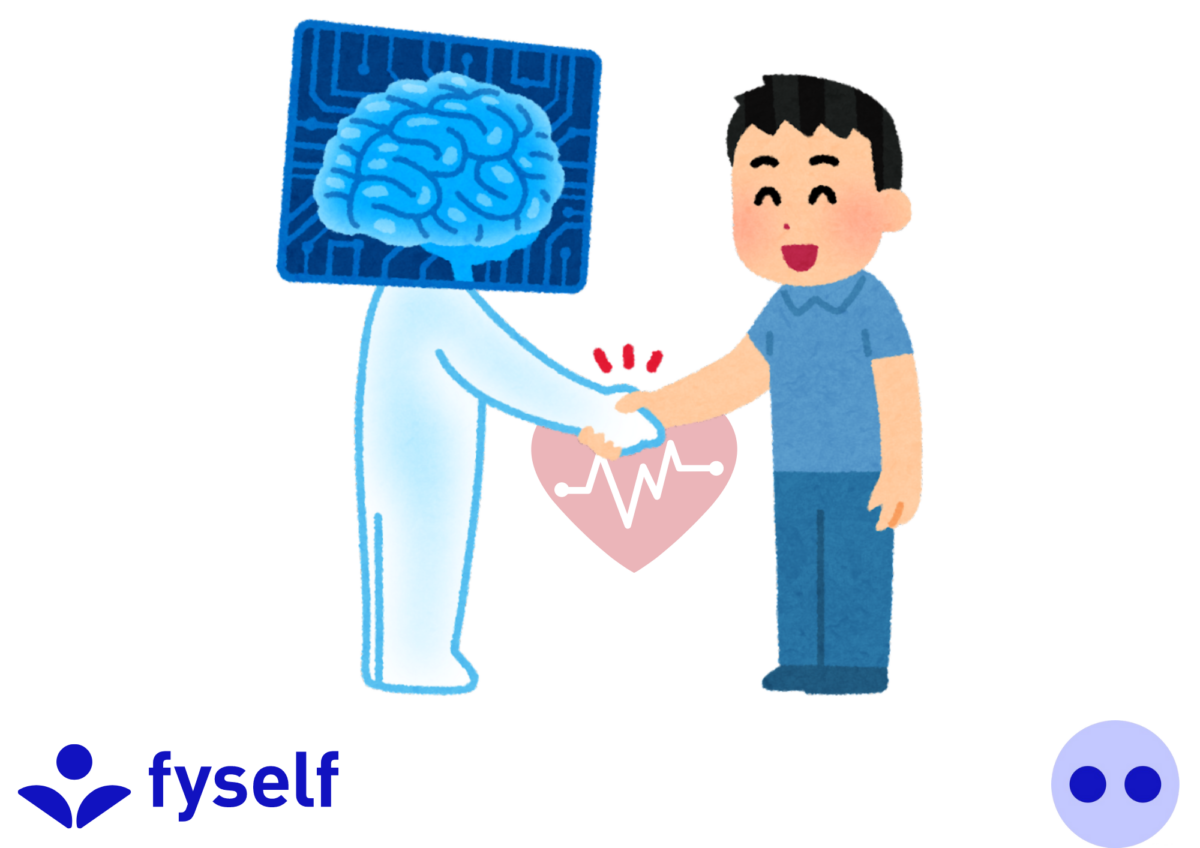
Benefits of digital twins in healthcare
1.Personalized prevention
Digital twins can analyze individual health data, such as medical histories, lifestyle habits, and genome, to identify potential disease risks and recommend personalized preventive measures.
2.Early and accurate diagnosis
By simulating the human body, digital twins can help diagnose diseases at early stages, when they are more treatable, through the analysis of sensor data, medical images, and laboratory tests.
3.Optimized treatment
Digital twins can help optimize individual medical treatments. Additionally, they can adjust medication dosages, the frequency of doctor visits, and therapies in real-time based on the patient’s response.
4.Accelerated Research
Digital twins can also accelerate the clinical research process. They reduce the need for human trials and allow for the efficient simulation of different scenarios and treatments.
5.Mental and emotional health
In this scenario, TwinH, FySelf´s digital twin, can be used to generate personalized conversations with patients suffering from anxiety, depression, and other mental health issues, also offering support, understanding, and coping strategies.
Concrete examples:
- Diabetes: The digital twin can help predict the development of type 2 diabetes, monitor blood glucose levels, and adjust insulin doses in real-time, improving disease management.
- Heart diseases: The digital twin can help detect early signs of heart disease, analyze the effectiveness of different treatments, and optimize cardiovascular rehabilitation.
- Cancer: Digital twins can help predict the development of cancer, simulate responses to chemotherapy and radiation, and personalize oncology treatment plans.
Challenges and Future:
Although promising, digital twins still face challenges such as data privacy and security, the development of accurate models, and patient acceptance. However, research in this area is advancing rapidly, and digital twins are expected to play an increasingly important role in the future of human health.
Related posts