Digital Immortality
Digital Immortality Already Has a Business Model
Imagine turning on your phone and finding an ad featuring your favorite actor. Nothing unusual so far. Except that actor died five years ago.
Their voice sounds exactly the same. Their gestures, their gaze, their way of telling stories… it’s all there. But they’re not.
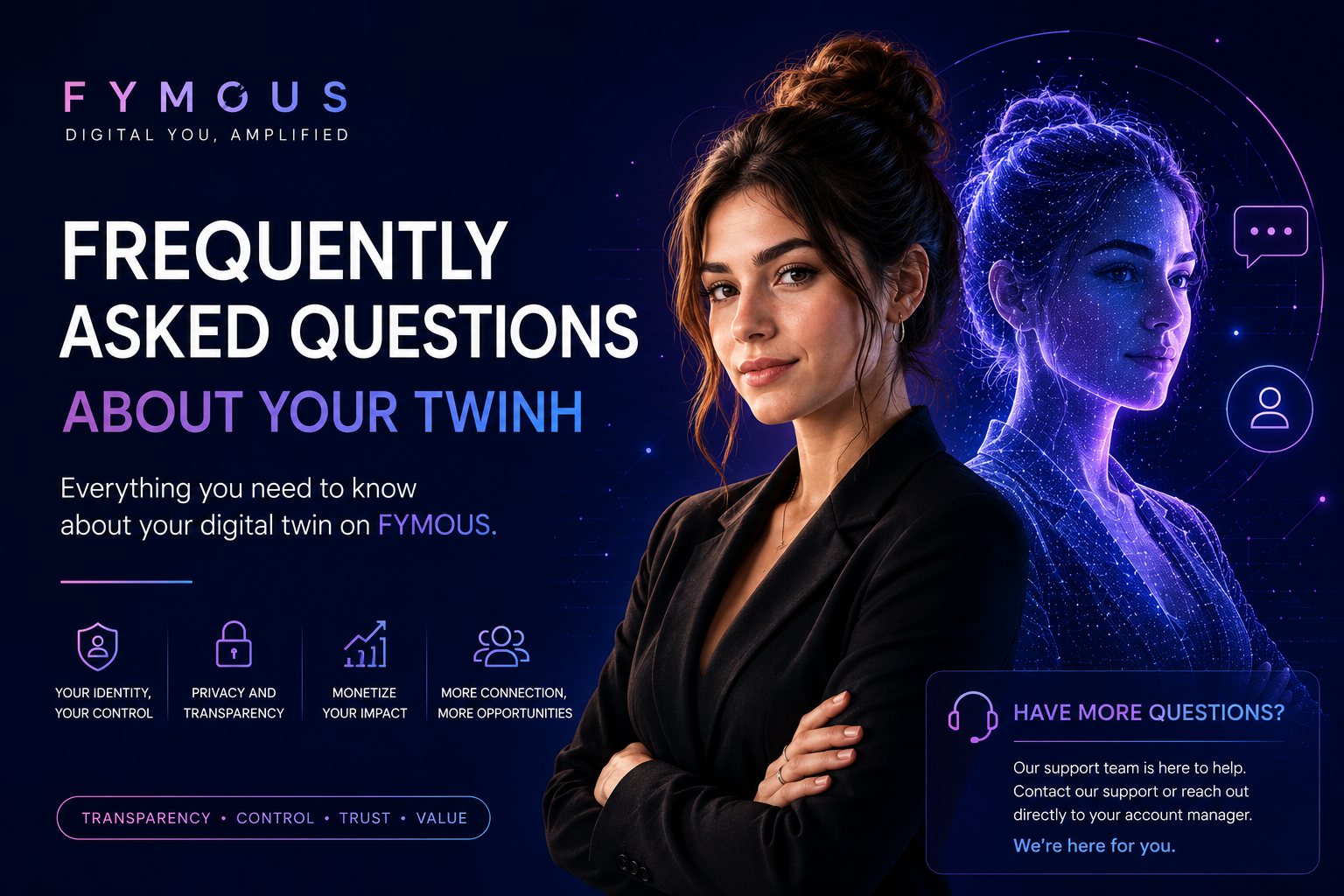
Welcome to the era of digital immortality, where death is no longer the end of a career, nor of an advertising contract.
When Grief Becomes Business
It all started with good intentions.
Voice cloning technology, AI-powered avatars, and virtual reality holograms were born as tools for grief. A way to preserve memories, to keep alive the essence of those who are gone, to offer comfort to those left behind.
But as with all powerful technology, it soon found another purpose: commercial.
Today, companies like Eternalize, founded by entrepreneur Chris Brickler, are building what they call “living legacies.” These aren’t just static files or old recordings. They’re interactive digital versions of public figures, thinkers, and creators capable of conversing, teaching, and transmitting values to future generations.
The limit? There practically isn’t one.
If a person can continue telling stories after their death, they can also continue selling products, promoting brands, or starring in advertising campaigns. And that completely changes the rules of the game.
Lifetime Value No Longer Has an End
Traditional marketing has always been obsessed with one key metric: Customer Lifetime Value. That is, how long someone remained loyal to a brand, how much they spent, how much they recommended it.
But now the question is reversed:
How long can a brand remain loyal to a person who is no longer alive?
The answer, it seems, is: indefinitely.
The Cases That Are Already Happening
This isn’t speculative futurism. It’s already happening:
James Earl Jones, the iconic voice of Darth Vader, authorized before his death for his voice to be cloned using artificial intelligence. Now, Darth Vader can continue speaking in new Star Wars productions without Jones having to utter another word.
Tupac Shakur appeared as a hologram at the 2012 Coachella festival, years after his murder, sharing the stage with Snoop Dogg. The technology has advanced so much since then that today those holograms are infinitely more realistic.
Whitney Houston has also “performed” in hologram form on world tours, selling tickets as if she were alive.
And companies like Eternalize demonstrate that anyone, not just celebrities, can become a digital avatar that continues teaching, inspiring, or even selling after their physical death.
The Uncomfortable Question Everyone Avoids
At first glance, this sounds like dystopian science fiction. A Black Mirror episode made real.
But there’s something deeply human in all this that we can’t ignore: we don’t want to forget.
We don’t want to forget the voices we love. To lose the figures we trust. We don’t want the role models who inspired us to disappear forever.
And if technology offers a way to keep them present, who are we to judge?
The problem arises when that emotional need intersects with commercial interests. Because it’s one thing to preserve someone’s legacy to educate or inspire, and quite another to turn their image into an infinitely exploitable product.
The Ethical Dilemma of Eternal Consent
Here’s the real challenge:
Can someone give consent for something that will happen when they’re no longer here to defend themselves?
James Earl Jones signed documents. Tupac, obviously, didn’t. What happens when a celebrity’s heirs decide to commercialize their image in ways that person would never have approved of in life?
What happens when a brand uses someone’s digital avatar to promote products that go against their personal values?
Legislation is years behind technology. And while lawyers debate, companies keep moving forward.
Brands Are Already Betting on the Dead
Because let’s be honest: from a marketing perspective, digital immortality is the holy grail.
A spokesperson who never ages. Who never gets tired. Never generates controversy because they can no longer make mistakes. Maintains intact the nostalgia and emotional connection with millions of people.
And best of all (for brands): it costs a fraction of what it would cost to work with that person in life.
Advertising agencies are already exploring these possibilities. Hollywood producers are negotiating “posthumous use” contracts. Record labels are creating albums with cloned voices.
The digital immortality market is here. And it’s growing.
Where Do We Draw the Line?
This technology raises questions that we as a society haven’t yet answered:
- Is it ethical for a brand to continue commercially exploiting someone’s image decades after their death?
- Who has the right to decide how that digital legacy is used: the heirs, the fans, the companies?
- To what extent do we respect a person’s memory when we turn them into an infinitely malleable avatar?
There are no easy answers. But ignoring the debate won’t make the technology disappear.
The Future Has Already Arrived, and It’s Watching Us from Beyond
Digital immortality isn’t a future possibility. It’s a present reality that is redefining marketing, entertainment, collective memory, and our relationship with death itself.
The voices we love will keep speaking. The figures we admire will keep appearing. And brands will keep finding ways to monetize that nostalgia.
The question isn’t whether this will continue happening. The question is: how do we want it to happen?
Because in the end, what’s at stake isn’t just technology, but something much more human: respect for those who can no longer defend their own image.
And that’s a conversation we need to have now, before it’s too late to change course.
Related posts