The Digital Twin Market: A Rapidly Expanding Ecosystem

The Digital Twin Market: A Rapidly Expanding Ecosystem
Today, digital twins-virtual replicas of physical objects, processes, or systems-have evolved from niche tools into a rapidly expanding global market. According to MarketsandMarkets, the market value reached USD 11.5 billion in 2023 and is projected to soar to USD 125.7 billion by 2030, growing at an impressive annual rate of 35.2%. Behind these figures lies a vibrant ecosystem that is reshaping industries, business models, and technology strategies worldwide.
Current Landscape: Key Sectors and Leading Players
1. Smart Manufacturing (40% of the market)
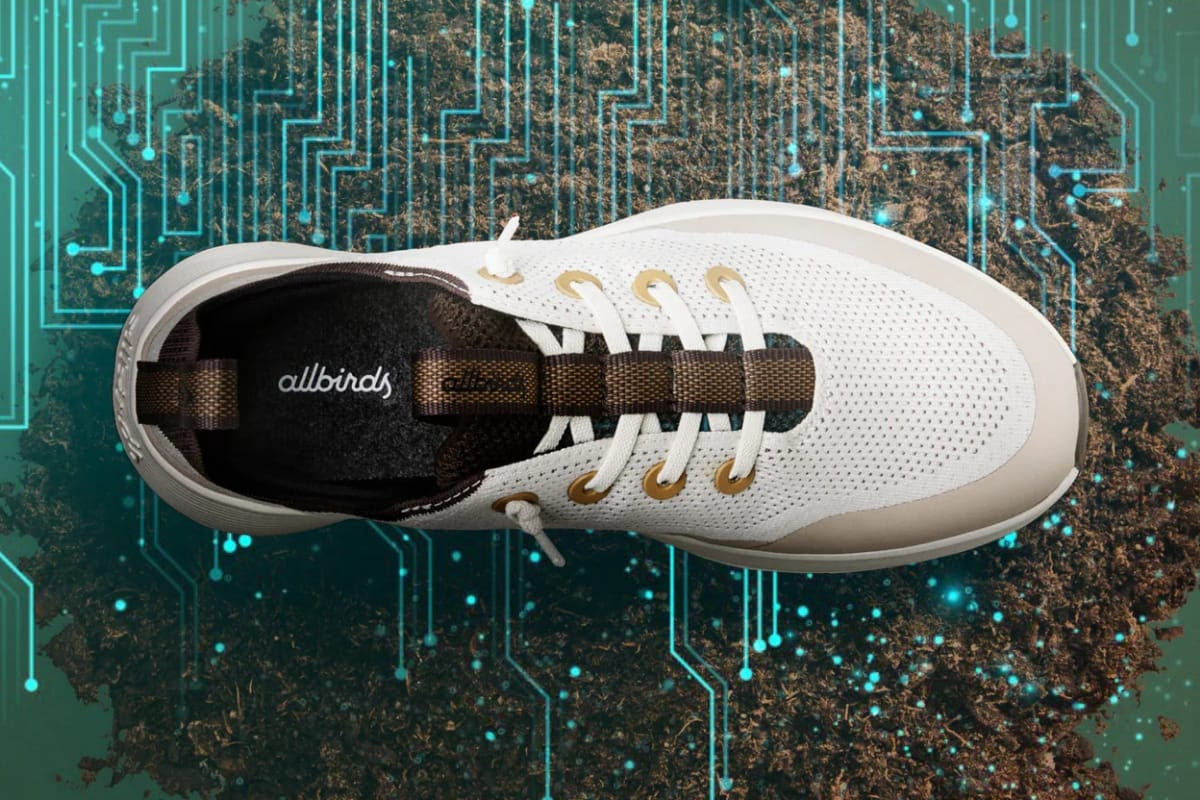
This sector is dominated by companies like Siemens and General Electric, which provide solutions to simulate production lines. Bosch stands out by using digital twins to reduce the time-to-market for new industrial machinery by 20%. Key benefits include predictive maintenance that identifies equipment failures with 92% accuracy, as reported by Deloitte, and mass customization-for example, Adidas creates digital twins of sneakers to test designs without physical prototypes.
2. Energy & Sustainability (25% of the market)
Schneider Electric and ABB deploy digital twins to optimize wind farms and power grids. A notable achievement is a Danish offshore wind farm whose twin boosted efficiency by 18% by adjusting turbine blades in real time using weather data.
3. Healthcare (15% of the market)
Startups like Unlearn.AI are pioneering patient-specific digital twins. In 2023, the FDA approved the first clinical trial using digital twins for lung cancer, reducing costs by 40%, highlighting the transformative potential in personalized medicine.
Growth Drivers: Technology and Global Needs
Enabling Technologies
Artificial Intelligence plays a crucial role by analyzing millions of variables to predict failures-for instance, Rolls-Royce uses twins for jet engine diagnostics. The Internet of Things (IoT) connects 68% of digital twin projects, while 5G and Edge Computing enable real-time updates even in remote locations like offshore oil rigs.
External Factors
The global energy transition fuels demand for digital twins, which help cut emissions by 25%, according to McKinsey. Labor shortages in construction also drive adoption, as twins simulate projects to reduce human error and improve efficiency.
Emerging Business Models: Beyond Software
- Digital Twins as a Service (DTaaS): To lower high upfront costs, companies like Microsoft Azure offer subscription-based models. John Deere, for example, lets farmers monitor tractors through a DTaaS-powered app.
- Specialized Data Marketplaces: Startups such as Sight Machine sell preconfigured twins for standard machinery (e.g., Siemens turbines), reducing implementation time by 60%.
- Specialized Cybersecurity: Security is critical. After a 2022 cyberattack on a nuclear plant’s digital twin exposed vulnerabilities, firms like Claroty have grown rapidly by securing critical infrastructure twins.
Challenges: Barriers to Adoption
| Challenge | Impact | Emerging Solution |
|---|---|---|
| High Initial Costs | 40% of SMEs abandon projects due to cost | Pay-per-use models (e.g., AWS) |
| Interoperability | Only 22% of platforms are compatible | Adoption of standards like ISO 23247 |
| Talent Gap | 1 in 3 projects fail due to lack of skills | Specialized bootcamps (e.g., NVIDIA) |
Future Outlook: Three Trends Shaping the Market (2025–2030)
- Autonomous & «Live» Twins: Real-time updates via drones and satellites will become standard. For example, startup Synthesia tests crop twins that automatically adjust to climate changes.
- B2C Expansion: Digital twins will reach everyday users through personalized healthcare (e.g., Mayo Clinic developing organ twins for disease prevention) and smart homes managing energy and security.
- Twin Economy: Blockchain-based marketplaces will emerge for buying and selling twins. Bosch already sold engine twins to universities for USD 2.5 million in 2023, foreshadowing this trend.
Conclusion: Defining the Future of Industry
Digital twins are more than just technology-they are powerful agents of disruption. Lisa Lang, an IoT expert, warns:
“Within five years, every competitive company will have a strategic twin-from supply chains to carbon footprints.”
The real question for businesses is no longer why to adopt digital twins, but how to scale their use before competitors do. The race is on! Don’t get left behind and train your digital human twin now.
Artículos relacionados