Ethics and Paradigms in Digital Ethics
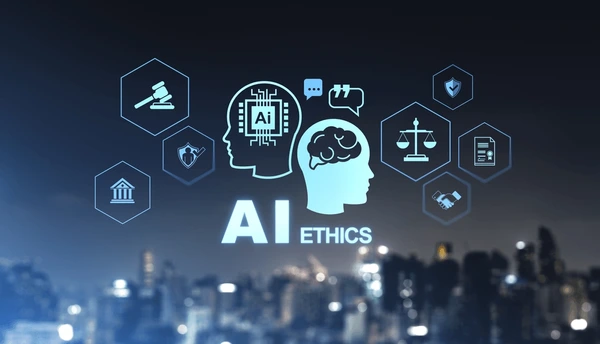
Ethics and Paradigms in Digital Ethics
The digital era has transformed the way we interact with the world. A digital twin is a virtual replica of an object, system, or even a person, enabling real-time simulations, analysis, and optimizations. However, the use of this innovative technology raises important ethical issues. These range from data privacy and security to transparency in information usage and accountability in automated decision-making based on these digital replicas.
Key Principles of Digital Ethics in Digital Twins
The paradigm of digital ethics applied to digital twins rests on several fundamental principles. First, transparency: it is essential that users understand how their data is collected, stored, and used to create and manage the digital twin. Second, privacy and consent: personal or sensitive information must be rigorously protected, and its use should only occur with informed consent. Finally, responsibility and accountability: developers and managers of these systems must take full responsibility for any consequences arising from the use of the digital twin, especially if these affect third parties or alter critical decisions.
Recommendations for Ethical and Responsible Use of TwinH
To ethically work with digital twins like TwinH, it is crucial to follow a clear set of principles. Data protection must be a priority, implementing robust measures against unauthorized access. Ethics and Paradigms in Digital Ethics : Additionally, processes should be auditable and explainable, facilitating understanding of the automated decisions linked to the digital twin. Respect for the autonomy of individuals is vital, always ensuring that people have the option to opt out if they wish. Finally, fostering constant dialogue between developers and users about ethical implications is essential, promoting continuous improvements that reflect human and social values in this innovative technology.
Artículos relacionados