Digital twins in HR
🔥 The Secret Weapon for Talent Management: Digital Twins in HR
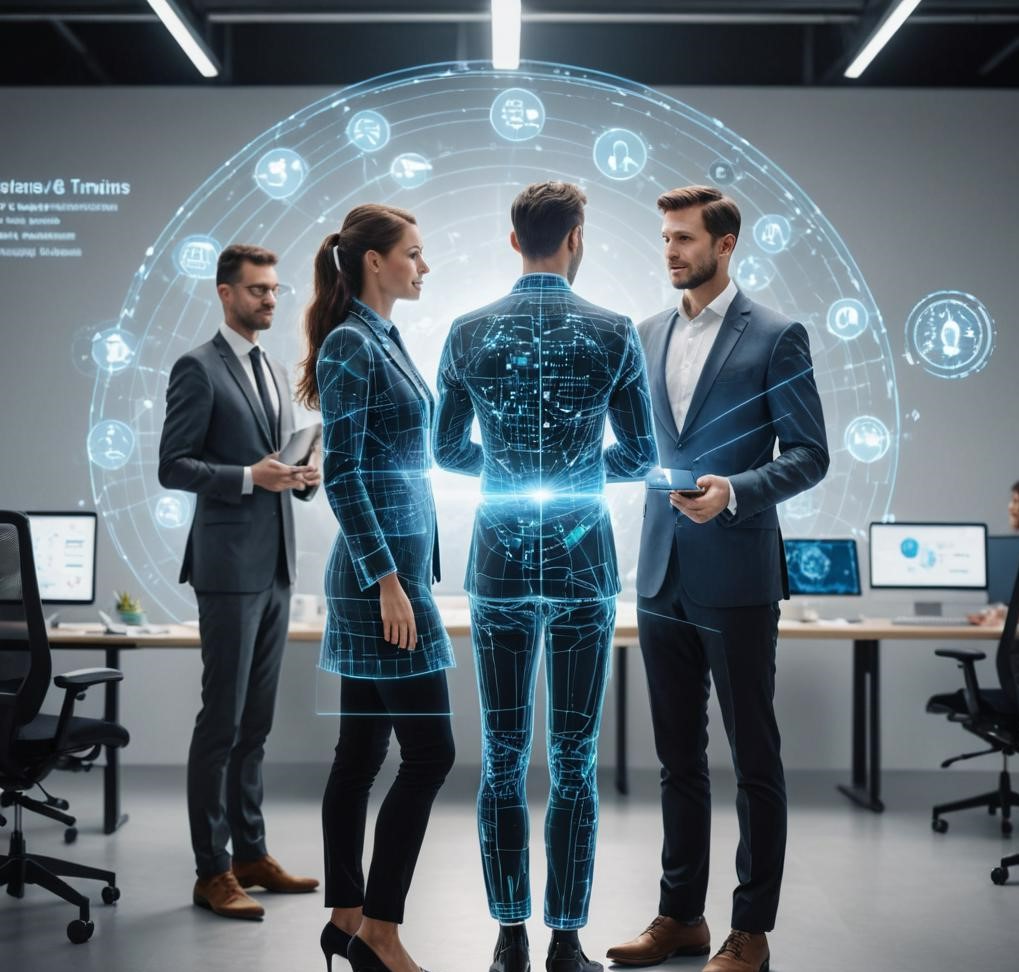
🚀 What Are Digital Twins?
They’re dynamic virtual replicas of employees—far beyond a static resume. These AI-powered models simulate:
- Skills, behaviors, and hidden potential (e.g., collaboration patterns in Teams).
- Real-time insights from data like productivity metrics, wearable device feedback (stress levels!), and communication trends.
💡 How Do They Work?
Powered by predictive AI, digital twins:
- Forecast turnover risks (e.g., flagging burnout-prone employees before they quit—with 90% accuracy at Siemens!).
- Map career paths by analyzing performance history and growth opportunities.
✅ Game-Changing Benefits
- Fail-proof Hiring: Test candidates in virtual scenarios mimicking real job challenges.
- Adaptive Training: Courses evolve as you learn, targeting skill gaps instantly.
- Conflict Prevention: AI detects team tension by analyzing communication styles (e.g., passive-aggressive email patterns).
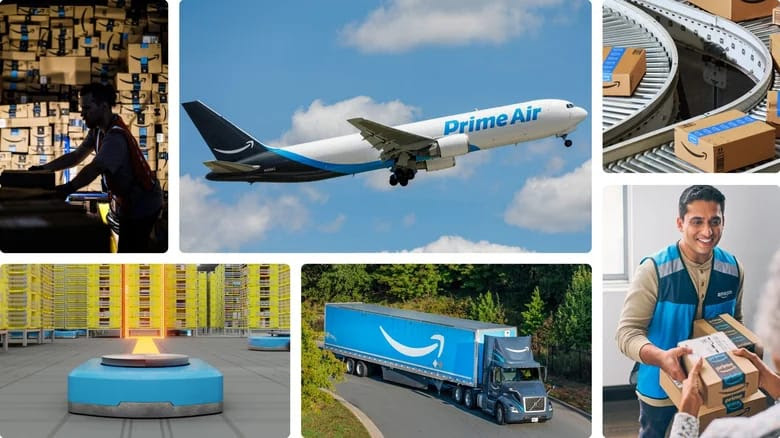
🚨 Real-World Success: Amazon’s Warehouse Revolution
By deploying digital twins to predict worker fatigue, Amazon achieved:
- 20% fewer accidents
- Lower turnover rates
How? Twins analyzed mobility data, shift lengths, and anonymous feedback to optimize schedules.
🔮 The Future Is Now
Metaverse Interviews: Beyond the Screen
Imagine stepping into a virtual boardroom where you interact not with a candidate, but with their AI-powered digital twin. Here’s how it revolutionizes hiring:
- Pre-Screened Authenticity: The twin behaves exactly like the candidate, trained on their historical data (problem-solving style, communication patterns, even humor).
- Bias Reduction: Focus on skills, not appearance—avatars can anonymize gender, age, or ethnicity during initial rounds.
- 24/7 Availability: Interview the twin at any time, accelerating hiring cycles. Companies like Microsoft already prototype this for global roles.
Synthetic Teams: Merging Departments Without the Mess
Before restructuring, simulate how teams will function—down to email dynamics and coffee-break conflicts.
- Predict Cultural Clashes: AI models how Team A’s «direct communication» clashes with Team B’s «consensus-driven» style.
- Optimize Workflows: Test hybrid setups (e.g., «What if 30% go remote?») and measure productivity impacts in days, not months.
- Real-World Example: When Siemens merged engineering divisions, synthetic teams flagged a 40% overlap in meetings—saving 500+ hours monthly.
Why This Matters
These aren’t experiments—they’re operational today. By 2025, 60% of Fortune 500 companies will pilot metaverse interviews, while synthetic teams become standard for M&A strategies. The question isn’t if this future arrives, but how fast your organization adapts.
⚠ The Big Risk
If biased data trains these models, discrimination becomes automated.
The fix?
- Transparent algorithms
- Ethical coding practices
- Human oversight
📌 The Bottom Line
Digital twins aren’t sci-fi—they’re rewriting HR’s playbook.
Will you lead this revolution… or get left behind?
👉 Still managing talent with spreadsheets? Time to upgrade! 🚀
Ready to transform your HR strategy? The future is predictive, personalized, and powered by digital twins
Artículos relacionados