What is a Digital Twin in Marketing and Why Do You Need One for Your Decisions?
Can you imagine launching a multi-million dollar marketing campaign and being able to accurately predict its success before spending a single euro? Or testing a redesign of your online store without affecting your current revenue? This is no longer the plot of a science fiction movie, but the powerful reality that digital twins are bringing to the marketing world. Forget guesswork and step into the era of precise strategic decision-making.
Digital Twins in Marketing: Your Virtual Lab for Flawless Strategic Decisions
In a landscape where competition is fierce and consumers are increasingly demanding, marketers tirelessly seek tools that allow them to innovate and optimize. Digital twins, those exact virtual replicas of products, processes, or even complete experiences, are emerging as the next great revolution for your marketing strategy.
What is a Digital Twin and Why Can’t Marketing Ignore It?
Think of a digital twin as your business’s virtual doppelgänger. It’s not just a pretty 3D model; it’s a dynamic representation that functions and reacts just like its physical counterpart. To build this “digital double”, several key elements are combined:
- Precise Digital Model: A detailed mathematical foundation that perfectly describes the characteristics and behavior of the real object or process.
- Real-Time Data: Constantly updated information from sensors, IoT devices, CRMs, and other sources that feed the digital twin and keep it synchronized with reality.
- Simulation Capability: The heart of its power. It allows for running experiments, testing scenarios, and predicting how the strategy or product will behave under different conditions.
In essence, your digital twin is a virtual lab that lives and breathes real-world information, allowing you to experiment without risk.
The Superpowers of Digital Twins for Your Marketing Strategy
The application of digital twins in marketing is not theoretical; it’s eminently practical and offers clear competitive advantages:
1. ‘Fail-Proof’ Campaign Simulation and Testing
Before launching that new promotion, that store redesign, or that advertising campaign, you can simulate its impact on your digital twin. What will happen if we raise the price by 10%? How will customers react if we change the main message? You can evaluate the potential impact of each scenario and select the strategy that offers the best results, drastically reducing the risk of failure and wasted investment.
2. Real-Time Campaign Optimization and Large-Scale Personalization
Digital twins don’t just allow you to predict; they also help identify hidden patterns in consumer behavior. By analyzing how customers interact with their “digital double” in different scenarios, you can optimize your campaigns in real-time and adjust your strategies to maximize return on investment (ROI).
But it goes further. They enable the creation of highly personalized shopping experiences. By segmenting your audience into smaller, more specific groups based on data analyzed by the twin, you can offer messages and promotions that are truly relevant to each customer.
3. Invaluable Risk and Cost Reduction
Launching a new product or service always involves risk. Digital twins act as a protective shield. By identifying and correcting potential errors in the virtual environment, you minimize the probability of costly real-world failures. This directly translates into a significant reduction in costs associated with testing, errors, and failed launches.
Digital Twins in Action: Success Stories That Inspire
To truly grasp the power of this technology, there’s no better way than to see it in action. Leading companies are already reaping the rewards:
1. Retail: A Recreated and Perfected Shopping Experience
• IKEA: The Swedish giant revolutionized the physical store experience by using digital twins to simulate the customer journey. They analyzed and optimized product placement, signage, and space design in a virtual environment. The result? A measurable improvement in sales conversion and greater customer satisfaction, all before a single piece of furniture was moved in the real world.
• Sephora: Who hasn’t dreamed of virtually trying on every makeup shade? Sephora made it a reality. Their digital twins allow customers to experiment with products and looks in a personalized way. This “see before you buy” capability not only drives sales but also strengthens loyalty, ensuring every purchase is a hit.
2. E-commerce: Efficiency and Design That Conquer Digitally
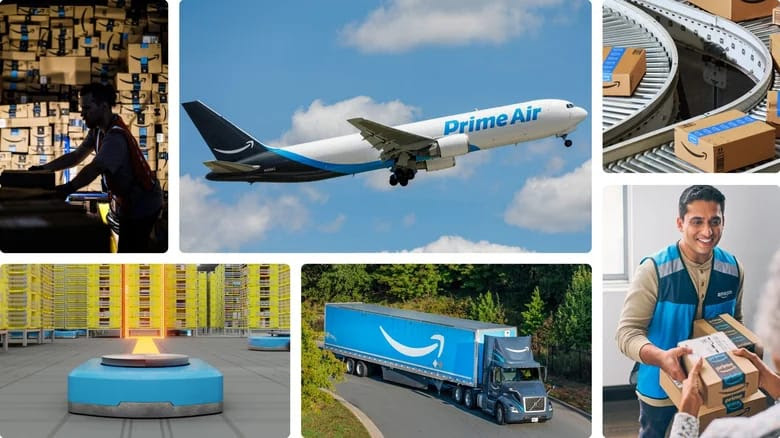
• Amazon: The e-commerce titan uses digital twins to optimize the intricate network of its distribution centers. By simulating demand scenarios and product flows, they can perfect inventory management and delivery speed. This translates into reduced operational costs and, crucially, an impeccable customer experience.
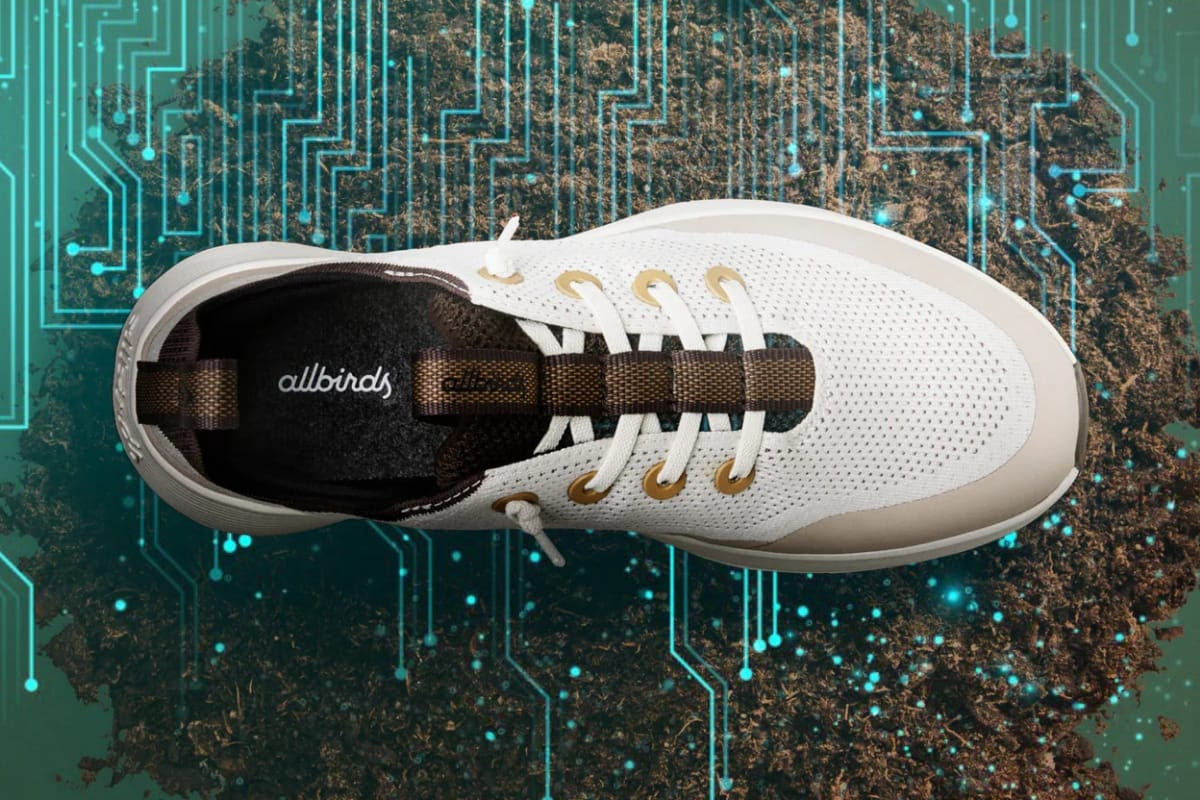
• Nike: Innovation in footwear is key for Nike. They employ digital twins to design and test new sneaker models. This process drastically accelerates development time and improves production efficiency, allowing them to bring revolutionary designs to market faster than ever.
3. Experiential Marketing: Creating Memorable Connections
• Coca-Cola: Beyond products and stores, Coca-Cola uses digital twins to forge immersive virtual reality experiences. Consumers interact with the brand in unique and highly memorable ways, generating a profound impact on brand perception and increasing engagement in a way that traditional marketing could hardly match.
Tangible Benefits: Why Does Your Company Need a Digital Twin?
As these cases demonstrate, digital twins are not just a technological trend. Key benefits include:
- Process Optimization: Identifying bottlenecks and improving operational efficiency, from logistics to product presentation.
- Large-Scale Personalization: Enabling the creation of unique experiences for each customer, increasing the relevance and impact of every interaction.
- Cost Reduction: Minimizing errors, resource waste, and the risk of failed launches.
- Increased Sales: Enhancing the customer experience, facilitating purchasing decisions, and boosting conversion rates.
- More Informed Decisions: Scenario simulation provides solid data for strategic decision-making.
- Innovation Boost: Fostering new ways to interact with customers and allowing brands to differentiate themselves from the competition.
The Future of Marketing is Digital, Personalized, and Predictive
Digital twins are rewriting the rules of marketing. They enable companies not only to better understand their customers and optimize their operations but also to innovate more intelligently and take fewer risks. By simulating scenarios and analyzing data in real-time, brands can anticipate trends, identify growth opportunities, and deliver captivating experiences.
If you’re looking for a real competitive advantage and want to take your marketing strategy to the next level, it’s time to explore the fascinating world of digital twins. The revolution is here, and market leaders are already embracing it.
Related posts