Digital Twins in Industry and Engineering
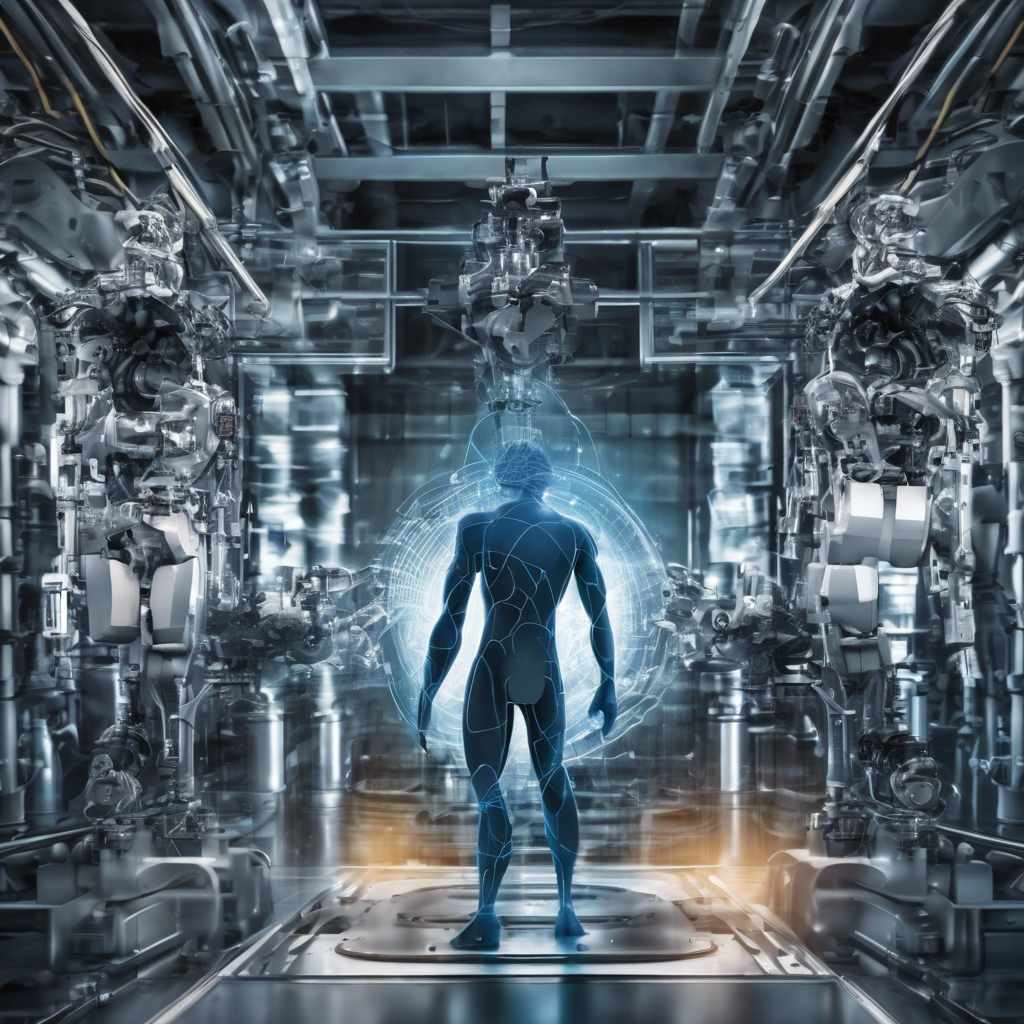
Digital Twins in Industry and Engineering: Transforming the Physical into Intelligence
Digital twins have redefined industries such as manufacturing, energy, and civil engineering, emerging as essential instruments for intelligent optimization and boundaryless innovation. Below, we explore their transformative influence across various sectors-and what the future may hold.
Smart Manufacturing: Precision at Scale
Pioneers at the Forefront
Innovative organizations like Tesla now harness digital twins to virtually simulate vehicle assembly, decreasing design mistakes by 40%. Beyond the design phase, these digital models support predictive maintenance with up to 95% accuracy, helping to avert expensive motor breakdowns and unexpected production stoppages. Moreover, the ability to adjust robot speeds in real time on assembly lines eliminates the necessity for physical prototypes, streamlining the entire process.
Key Outcomes
- Significant cost reductions: 25% fewer unplanned maintenance events.
- Accelerated development: Prototyping times reduced by 70%.
Energy & Sustainability: Powering the Green Transition
Advancing Efficiency
Within the energy industry, digital twins are propelling the shift toward sustainability. For example, GE Renewable Energy utilizes these digital models to optimize wind turbine blade positioning through weather simulations, resulting in a 15% increase in efficiency. Likewise, intelligent grids employ digital twins to forecast peak energy demand and automatically redistribute loads, effectively preventing power outages.
Environmental Impact
- Lower energy wastage.
- Quicker implementation of renewable energy solutions.
Civil Engineering: Constructing Smarter Infrastructure
Transforming Modern Landmarks
From towering skyscrapers to expansive airports, digital twins are revolutionizing infrastructure. The Burj Khalifa, for instance, leverages a digital twin to monitor structural stress, achieving a 20% reduction in energy consumption. Elsewhere, bridges and tunnels are equipped with sensors that detect corrosion early, triggering alerts before critical failures occur. Notably, at Istanbul Airport, digital twins coordinated 35,000 workers and resolved terminal congestion during construction.
Why It Matters
- Safer, self-diagnosing structures.
- More efficient execution of large-scale projects.
Aerospace Engineering: Pushing Boundaries
Breaking New Ground in Space
In the aerospace sector, companies like SpaceX are setting new standards. Their Falcon 9 rockets undergo millions of simulated launches, while predictive analytics cut refurbishment costs by 60% by anticipating component wear. Looking ahead, autonomous decision-making for interplanetary missions could soon become commonplace.
Core Technologies Behind Digital Twins
| Technology | Function |
|---|---|
| 🤖 Artificial Intelligence | Predicts failures and optimizes performance. |
| 📊 Big Data | Analyzes real-time sensor information. |
| ☁️ Cloud Computing | Supports unlimited simulation capabilities. |
| 🕶️ AR/VR | Provides technicians with holographic guidance. |
Benefits vs. Challenges
Advantages
- 25% lower maintenance expenses.
- 70% faster prototyping cycles.
- Improved safety and sustainability.
Obstacles
- High initial investment: IoT sensors and specialized platforms.
- Cybersecurity concerns: Susceptibility to data breaches.
- Organizational inertia: Hesitation to move away from established practices.
The Future (2025–2030): Bold Predictions
- Twin Cities: Initiatives like Smart Dubai aim to digitally replicate entire urban environments, optimizing everything from traffic flow to emergency response.
- Autonomous Operations: Soon, digital twins could independently halt hazardous processes, such as shutting down overheating factories, without human intervention.
- Human-Machine Synergy: By 2030, augmented reality glasses may project repair instructions directly onto equipment, seamlessly blending the physical and digital realms.
Conclusion: Bridging the Physical and the Possible
Digital twins are more than mere replicas-they are catalysts for innovation. As Michael Grieves, the visionary behind this concept, aptly remarks:
“They are the bridge between the physical and the possible.”
Ultimately, organizations that overlook this technology risk falling behind in terms of efficiency, safety, and sustainability.
Are you prepared to revolutionize your operations?
The future is unfolding now.
Artículos relacionados